



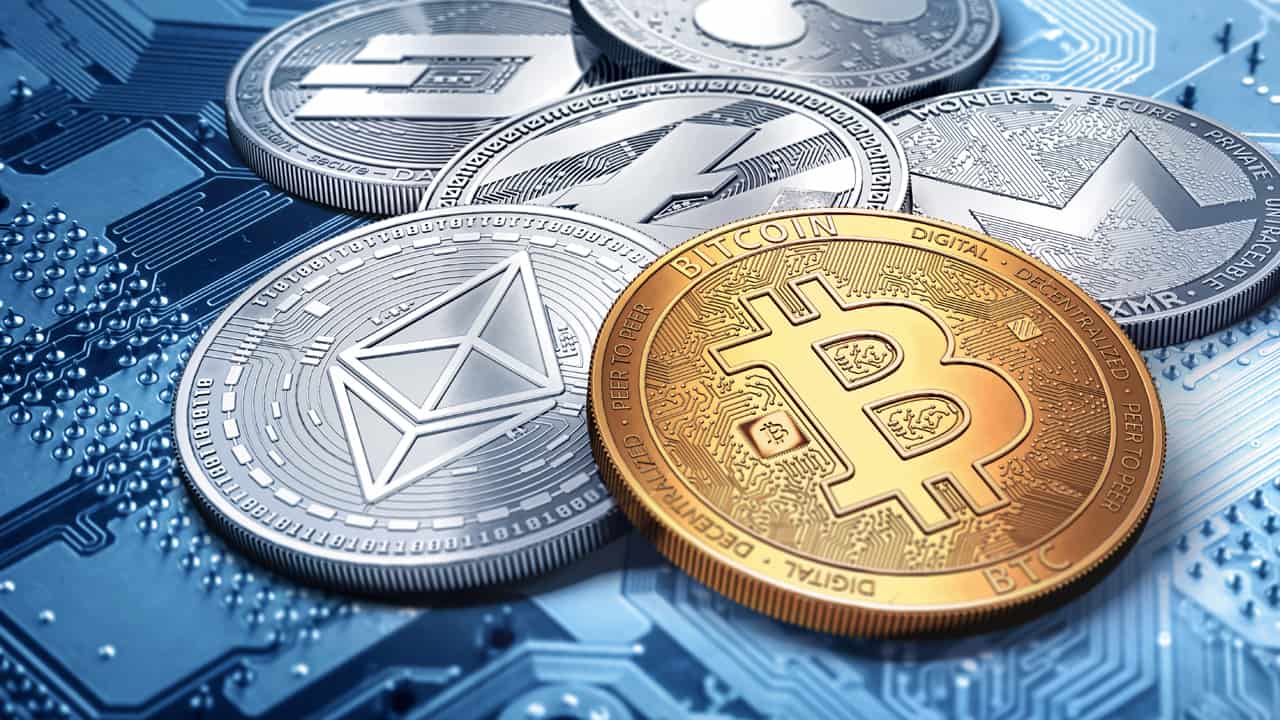
It’s never easy learning a new language. I downloaded a French language app on my phone and what can I say: “Ce n’est pas facile”. That means, “It’s not easy.”
Learning a new way of expressing yourself, new words, new phrases, a new accent… is not easy.
In many ways, ‘cryptocurrency’ is a new language in finance. As one of the fastest-growing areas of finance, navigating it can feel overwhelming. From Bitcoin and the blockchain, DeFi to NFTs, there’s no shortage of buzzwords, and plenty of misinformation.
That’s why finding reputable sources of wisdom and insight on cryptocurrency is crucial, whether you’re an investor, trader, or simply curious about digital assets.
Andreas M. Antonopoulos, Bitcoin Advocate and Educator, said: “Learning about cryptocurrency is not just about understanding a new technology; it’s about understanding the future of money and how we can participate in it.”
Online, there is a wealth of information, and even community hubs, which you can join to help you on your journey to becoming more crypto-savvy.
Here’s some advice to get you on track:
1 Educational Platforms & Online Courses
Let’s face it, cryptocurrency isn’t as simple to understand as a handful of coins, or a stack of notes. Or maybe it is. Maybe, it’s about visiting the relevant channels and reading the right educational material on the subject. There are several platforms set up to help you to understand cryptocurrency. Coursera offers several standout cryptocurrency courses. A notable example is Bitcoin and Cryptocurrency Technologies, taught by Arvind Narayanan.
Other platforms, such as Udemy, edX, and BitDegree, also feature beginner-friendly crypto trading courses. For instance, Rekt Capital’s Technical Analysis Course helps learners understand chart patterns, market cycles, and risk management tactics, making it particularly useful for practical trading education.
If you are a beginner on the subject, then educating yourself is the first step to take.
2. Reputable News And Analysis Outlets
We all know someone, that special person, who catches up daily on crypto news. They’re usually highly successful and strategic in business matters, and while we envy them, we wouldn’t know where to begin in even trying to emulate their example.
However, once you have educated yourself on crypto, you can then stay ahead of your game by regularly reading reliable crypto news and studying relevant and updated analyses related to it.
Even beginners can get this right!
Several established outlets deliver reliable crypto news and in-depth analysis:
CoinDesk, founded in 2013 and now part of Bullish, is a leading news site dedicated to digital currencies. It offers guides and hosts its annual Consensus summit
Decrypt, launched in 2018, focuses on blockchain, Web3, and AI, and has recruited journalists from financial media to bolster its credibility.
Bitcoin Magazine, established in 2012 by Vitalik Buterin and Mihai Alisie, remains one of the oldest serious publications focused on cryptocurrencies. Early editions have even been displayed in the Smithsonian Museum.
3. Community Platforms & Social Learning
If you thought the world of crypto was for lone rangers, then you had it wrong. I was surprised to read about crypto communities, which share crypto news and tips with each other.
These communities are the best place to sharpen your knowledge as you can bounce things off of others that you can’t understand by yourself.
Community learning plays a key role in crypto education. Forums like Reddit, especially subreddits such as r/CryptoMarkets, and chats on X (formerly Twitter) and Discord channels, offer real-time updates, advice, and peer learning opportunities.
As one user on r/CryptoMarkets shared: “As a beginner, joining into crypto communities like Twitter or Discord is a great start … Ask them anything … you will get many tips …”
If you failed to understand the many educational pages on crypto on the net, then maybe a friend in crypto is what you need.
5. UK-Centric Perspectives & Regulatory Context
In the UK context, awareness of regulation, security, and tax implications is especially important:
CryptoUK, established in 2017, engages directly with UK policymakers and sets standards in governance, accountability, and consumer protection, providing a valuable local perspective.
Financial platforms used by UK citizens, eToro, Revolut, Coinbase, Kraken, Bitstamp, and Uphold, are registered with the FCA, making them relatively safer choices, though note that crypto still lacks some consumer protections enjoyed by traditional investments
The tax landscape is also key: For the UK 2024/25 tax year, there’s a £3,000 Capital Gains Tax allowance. Profits above that are taxed at 10% or 20%, depending on income. Losses can offset gains, reducing overall tax burden.
You Too Can Learn To Use Crypto
Learning to understand cryptocurrency begins with understanding the fundamentals. For example, what is blockchain technology? What is the difference between coins and tokens?
The experts recommend starting small. It’s like anything in life… take ‘baby steps’.
Those starting out should begin with small, reputable platforms for the purpose of buying, selling, and storing digital assets securely.
You have to know how transactions work. For example, what is the role of private keys? Why is two-factor authentication important for safety and security?
Initially you might feel a little like I did when I tried to learn French. However, joining online communities and considering beginner-friendly courses to build knowledge gradually can get you moving in the right direction.
Author Profile

Latest entries
- January 6, 2026CryptoBest Places to Learn About Cryptocurrency: Trusted Sites & Courses
- December 3, 2025Global EconomicsHyperinflation Case Studies: Lessons From Argentina, Turkey, And Beyond
- November 3, 2025CryptoHow the World is Shaping Cryptocurrency Rules
- October 6, 2025Global EconomicsPrivate Credit Boom: Shadow Lenders Creating the Next Financial Bubble