



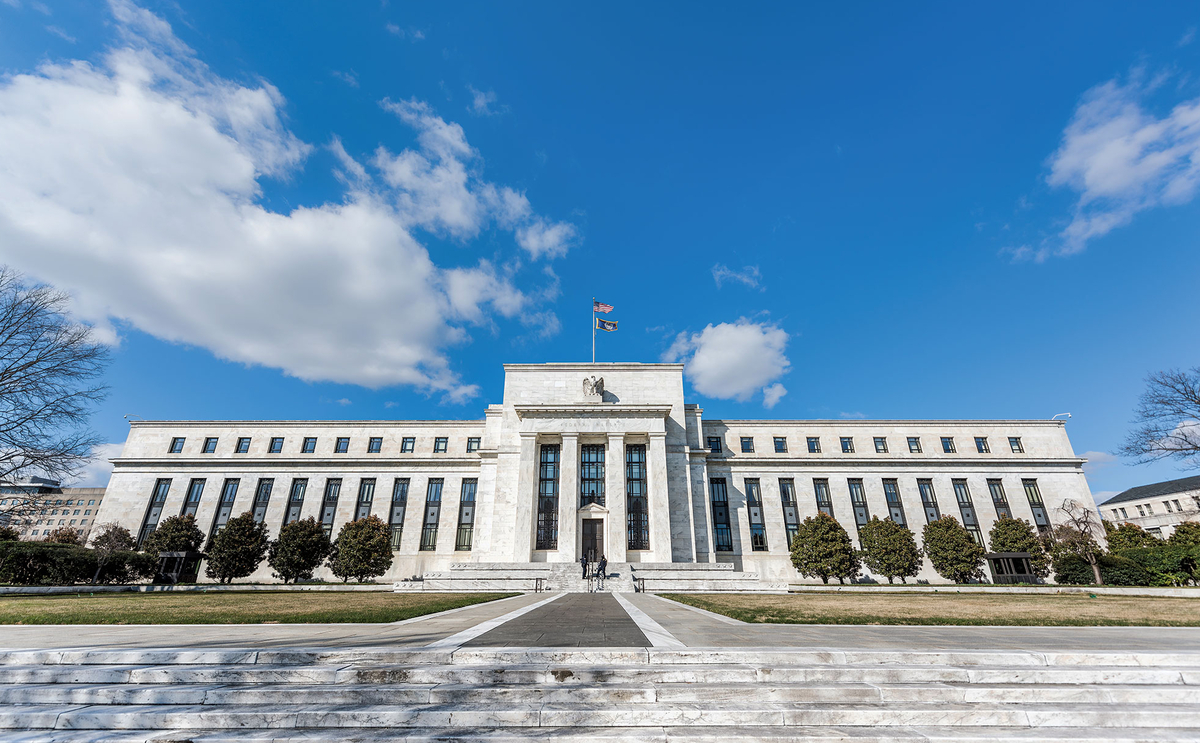
Despite the fact Fed policy makers cut the rates seven times already since September 2007, which amounts to a total of 3% decrease in borrowing costs, the average rate for a 30-year fixed mortgage dropped only half a percentage compared to the same period.
‘So, if that didn’t do the trick, then what will’ is the real question. These news come as a blow to consumers and who are due to refinance mortgages this year, as they will come face-to-face with a sharp jump in monthly payments.
“The Fed is trying to drive a car with only slight control of the steering wheel and no control of the gas or the brakes” said Clive Granger according to Bloomberg News. Clive Granger is professor emeritus at University of California, San Diego and the 2003 Nobel laureate in Economics. And the truth is that currently the fixed-mortgage rates seem to have disconnected from the 10-year Treasury bond.
Property investor in San Diego refused to make an offer on a property until she can get a fixed rate of 5.5% and that’s exactly the kind of buyers the Fed needs at the moment. But chief economist for the California Association of Realtors – which is based in Los-Angeles by the way -, said that the Fed’s interest rate reductions are having little near – term direct effect on the housing market.
Finally, as most buyers have put their plans on hold and are awaiting the housing decline, until prices hit rock bottom, the liquidity in the market worsens which eventually will force lenders to tighten up even more the supply of home loans.
Author Profile

- I am a financial services writer with experience in forex trading and stock market analysis.
Latest entries
- August 14, 2013Investment IdeasStockmarket Shares: Tips for Beginners
- August 7, 2013NewsWireNew consumer protection laws target pressure sellers
- July 25, 2013Best DealsPrice rises spell trouble for UK’s crowded housing market
- July 1, 2013NewsWireMoney lenders welcomed into temple as Church of England plans credit union
3 Comments
doug
April 9, 2008i hate stumble sometimes. takes me to pages as dumb as this. fed cuts effect short term loansm things like credit cards. mortgage rates are long term.
The What Girl
April 14, 2008Hi, Doug. Thanks for the comment. First of all, allow me to believe that you should be thanking Stumble for landing you on this page. At least now I have the chance to put things in order for you, since you seem to be a bit confused. It's been all over the news recently that even Chancellor Alistair Darling has urged mortgage lenders to pass recent interest rate cuts on to homeowners. The comments came after the Bank of England last week cut the base rate of lending from 5.25 to 5%. The chancellor has concluded the current credit crisis is "the biggest economic shock since the Great Depression". I hope it's clear by now that mortgages are expected to be more affordable. So, the question is why don't mortgage lenders pass on the rate cuts? And here's the reason why... Most of our mortgages and other loans are priced based on the 3-month LIBOR. The daily calculated London Interbank Offered Rate is the rate at which banks offer to lend money to each other. Sometimes, it is referred to as the interbank market rate. So, the question transforms into what has happened to the 3-month sterling LIBOR, the interest rate off which, as we explained above, most mortgages and other loans are priced? It has risen to 6%, the highest since Dec. 28. And this my friend Doug, means two things! First of all, banks do not trust to lend money to each other. The higher the risk of default the higher the rate they offer to lend their money. Secondly, banks cannot afford to lend money at a lower rate as there is obviously not enough liquidity. And thus, the promises from the central banks, etc........ Should I really go on and on forever? I hope my answer clears up things a bit. PS: You mentioned in your comment "credit cards" - I don't know where that came up from... Take care.
Reed
April 18, 2008I thank stumble for bringing me by this site. But what's annoying is "Dumb" comments! Credit cards are hardly linked to Fed Cuts. They are priced due to marketing considerations more than anything. That is they charge as much as they can without driving customers away in droves, a few losses are balanced with the increased profits of those that remain, etc.